
The reception desk of a UAE hotel is a strange little pressure cooker. One moment the lobby is quiet, the next a tour bus from DXB pulls up and twenty guests are standing in line, all tired, all expecting their room keys in under five minutes. For years the bottleneck has been the same: an administrator typing passport numbers, nationalities, visa dates and birthdates into a property management system, one field at a time. Automatic document reading changes that rhythm completely, and it is doing so quietly across hotels in Dubai, Abu Dhabi and Sharjah.
The idea itself is simple. A small desktop device, or a scanner built into a self-service kiosk, photographs the guest’s passport or Emirates ID, extracts every data field in a second or two, and pushes the information straight into the hotel’s PMS. The receptionist stops being a typist and goes back to being a host.
The problem
Why manual check-in slows UAE hotels down
A standard manual check-in in the UAE takes between three and seven minutes per guest, depending on how many travellers are on the booking and whether the receptionist has to copy a visa page as well. Multiply that by a family of five arriving at midnight after a long-haul flight and the queue behind them starts to look painful.
The slow parts are not the greeting or the key card. They are the data entry, the photocopying for Tourism Dubai or the local police reporting system, and the back-and-forth when a handwritten number does not match the booking. Receptionists know this better than anyone. The paperwork is also a compliance headache: UAE hotels are required to register guest identity details with authorities, and any mistake has to be corrected manually later.

What automatic document reading actually does
A document reader is a specialised scanner with its own optics, lighting and OCR software. Place a passport on the glass and within roughly one to two seconds the system has captured the full visual image, the MRZ (machine readable zone) at the bottom of the data page, and in many models the RFID chip inside an e-passport. The same hardware reads Emirates IDs, GCC national IDs and most international driving licences. If you want to see what a modern reception-grade unit looks like, you can hire a passport scanner designed for hotels rather than relying on a generic office flatbed.
- Field extraction. Name, date of birth, nationality, document number, issue and expiry dates, gender, and visa data if present.
- Image capture. A high resolution colour scan plus an infrared scan that reveals security features.
- Authenticity checks. The reader compares the MRZ with the visual zone and flags mismatches that often indicate forgery.
- Direct PMS integration. Data lands inside Opera, Protel, IDS, Fidelio or any system the hotel already uses.
Receptionists describe the change in the same way most of the time. The scanner takes over the slow, mechanical half of their job, and the half that is left is the one guests actually notice. Eye contact. A real welcome. A proper handover of the room.
That shift is the whole point. The technology is not meant to replace the administrator, it is meant to return their time to the parts of the job that still need a human.
What happens behind the scenes in a single scan
- Document placed on the reader. No orientation required on modern units, the software rotates the image automatically.
- Fields extracted and validated. The MRZ is checked against the printed data, chip data is cross-matched if the passport is biometric.
- Booking lookup. The system uses the surname or document number to find the matching reservation in the PMS, pulling up the room, arrival and departure dates, and rate.
- Guest card auto-filled. Every mandatory field required by UAE Tourism Dubai registration or the Abu Dhabi DCT system is populated.
- Receptionist confirms. One click to accept, the key card is encoded, the guest moves on.
The whole loop runs in roughly fifteen to twenty seconds instead of three to five minutes. For a 300 room hotel on a Friday evening in Dubai, that is the difference between a manageable queue and a lobby full of visibly annoyed guests.
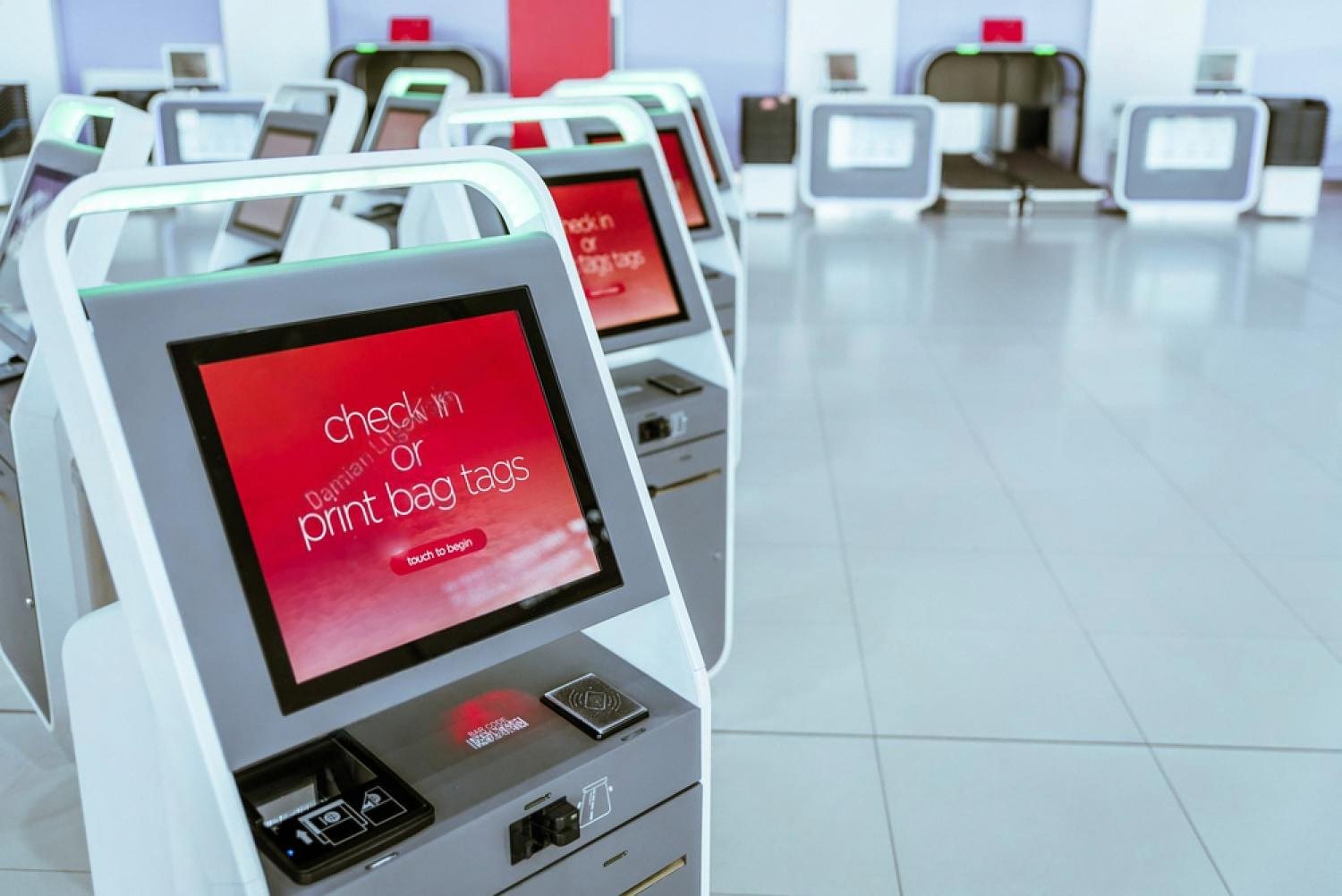
Peak hours: where the time saving is most visible
UAE hotels have unusually sharp arrival peaks. Red-eye flights into Dubai International land in waves between 02:00 and 06:00. Business arrivals cluster around late evening after meetings. Weekend leisure traffic from Saudi Arabia and Kuwait concentrates on Thursday nights. In each of these windows a reception with two staff can suddenly need to handle twenty or thirty check-ins in under half an hour.
Automatic document reading rescues that scenario in two ways. It shortens every single check-in, and it eliminates the small errors that cause even longer delays later, when a guest returns to the desk because their name was misspelled on the invoice or their nationality was recorded wrong on the police register. According to tourism figures from the UAE hotel occupancy in Dubai regularly sits above 80 percent through the winter season, which means the reception desk is almost never idle in those months.
Operational wins
What administrators notice first
- No manual typing of passport numbers. The single biggest source of errors disappears.
- No photocopying. Scanned images are stored digitally with the guest profile and attached to the police report automatically.
- Faster night shifts. A lone night auditor can handle multiple arrivals without panic.
- Cleaner audit trail. Every scan is timestamped and linked to the staff member logged into the terminal.
- Easier handover between shifts. No stack of half-finished registration cards waiting for the morning team.
Compliance and data protection in the UAE context
Hotels in the UAE operate under specific guest registration requirements, and the data captured at check-in has to be shared with local authorities within defined timeframes. Automatic document reading helps on both sides of that equation. The extracted fields match the format the government systems expect, and the digital images stored on the hotel server replace the shoeboxes of photocopies that used to live under the front desk.
The UAE’s data protection framework treats passport data as personal data, which means proper handling is not optional. A reputable scanner solution encrypts the stored images, limits access by role, and allows automated deletion after the retention period expires. That is far safer than a cabinet of paper copies accessible to anyone with a key.
What to look for in a document reader for a UAE hotel
- Full-page passport scanning, not just MRZ, so visa pages and stamps are captured when needed.
- Emirates ID support, including chip reading for resident guests.
- Integration with your PMS, ideally pre-certified for Opera, Protel or IDS.
- Arabic character handling, for GCC documents and local reporting systems.
- Compact footprint, because reception desks in boutique and city hotels rarely have spare space.
- Local service and spare parts inside the UAE, so a broken unit does not stop check-in for a week.
The best hospitality technology is the kind the guest never sees. They just notice they got to their room faster.
The quiet payoff
The return on a document reader is rarely dramatic in a single week, but it compounds. A hotel saving three minutes per check-in across 150 arrivals a day recovers more than seven hours of staff time every single day. That is the equivalent of an extra receptionist, without the salary. More importantly, the time comes back as better guest attention, not as padding in the schedule. In a market as competitive as the UAE’s, where review scores decide bookings, that is the kind of operational edge that keeps paying off long after the hardware has been written down.
Frequently asked questions
How long does automatic passport scanning take compared to manual check-in?
A typical automatic scan captures and parses a passport in one to two seconds, with the full check-in cycle, including PMS lookup and key encoding, completing in around 15 to 20 seconds. Manual check-in in a UAE hotel usually takes between three and seven minutes per guest, depending on the number of travellers on the booking.
Does a passport scanner read the Emirates ID as well?
Yes, reception-grade document readers used in UAE hotels support both international passports and the Emirates ID, including the chip inside the card. This matters for resident guests, GCC nationals and anyone checking in with a national ID instead of a passport.
Is scanned passport data safe to store on hotel servers?
Reputable systems encrypt the stored document images, restrict access by staff role, and support automated deletion once the legally required retention period ends. That is more secure than keeping paper photocopies under the front desk, which was the standard approach before.
Hotels still need to follow the UAE’s data protection and guest registration rules, but a well-configured scanner makes compliance easier, not harder.
Can a document reader connect to our existing PMS?
Most reception-grade scanners offer pre-built integrations with the major property management systems used in the UAE, including Opera, Protel, Fidelio and IDS. The data from the scan populates the guest card directly, with no manual retyping, and the booking is matched automatically by surname or document number.
Does automatic document reading replace the receptionist?
No. It removes the slow, mechanical parts of the job, data entry and photocopying, so the receptionist can focus on greeting the guest, explaining the hotel’s facilities and handling special requests. In practice, properties that adopt scanners usually report happier staff and better guest reviews rather than reduced headcount.
Is it worth it for a small boutique hotel in Dubai?
Even a 40 or 50 room property benefits during peak arrival windows, when a single scanner can prevent the lobby from becoming a bottleneck. The compliance and audit-trail advantages, cleaner data for police registration and digital storage of ID images, apply regardless of hotel size.