Parenting in the UAE
The play problem no one warned us about
Ask any parent in Dubai or Abu Dhabi what worries them most, and screens usually come up before homework, sleep or nutrition. The good news: the antidote is not a stricter rule, it is a better kind of play.
What open-ended play actually means
Open-ended play is any activity where the child, not the toy, decides the outcome. A tablet game has one right path. A basket of wooden blocks has thousands. That is the whole difference, and it is why paediatricians and educators keep circling back to it.
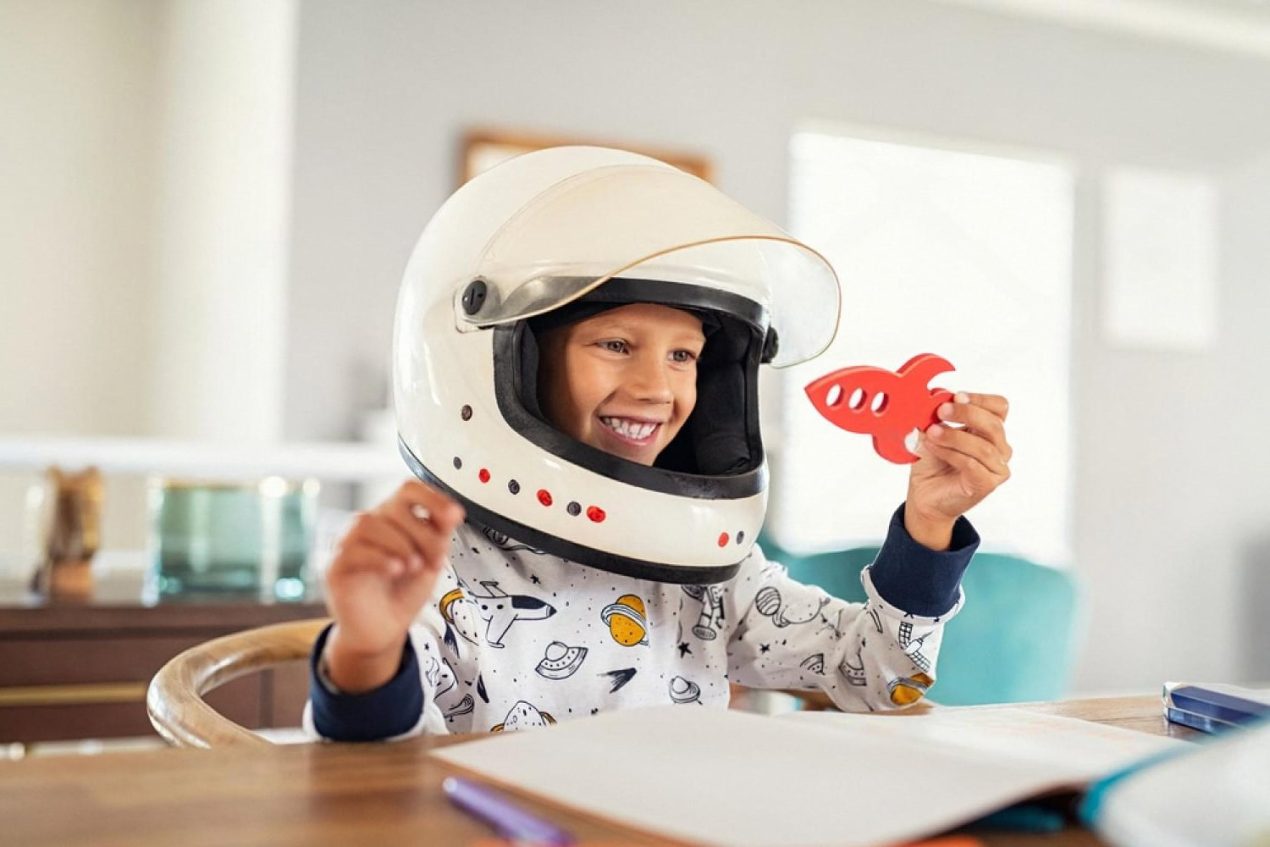
In practice, open-ended play looks like a four-year-old turning a cardboard box into a spaceship, or two siblings building a magnetic tower that keeps collapsing until they figure out what a stable base looks like. There is no scoreboard and no next level. The learning is baked into the process.
Common examples parents in the UAE already have at home or can find easily at local toy shops and online:
- Building blocksfrom classic wooden cubes to chunky foam sets for toddlers.
- Magnetic construction sets that snap together into 2D shapes and 3D structures.
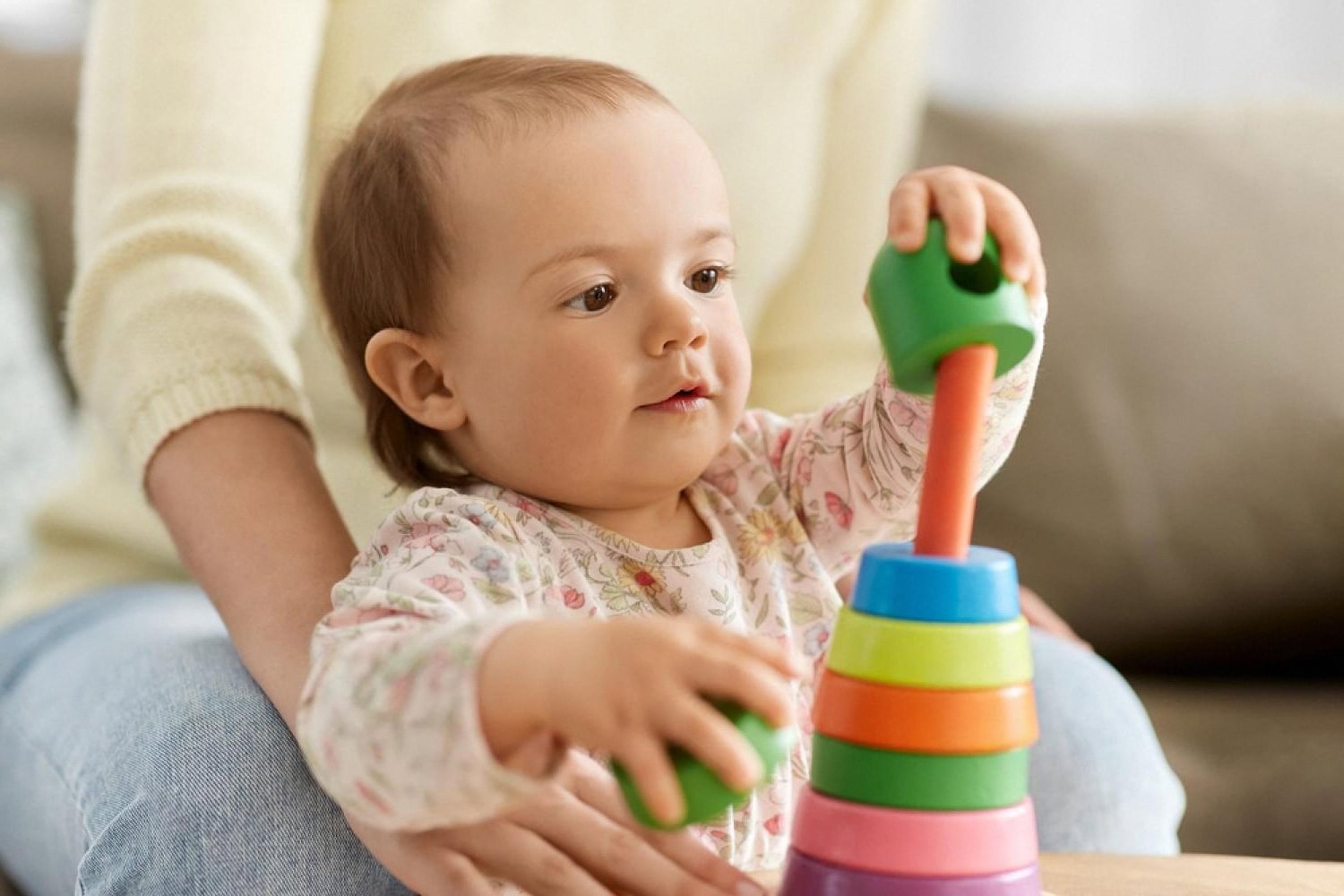
- Wooden building systems like unit blocks, planks and marble runs.
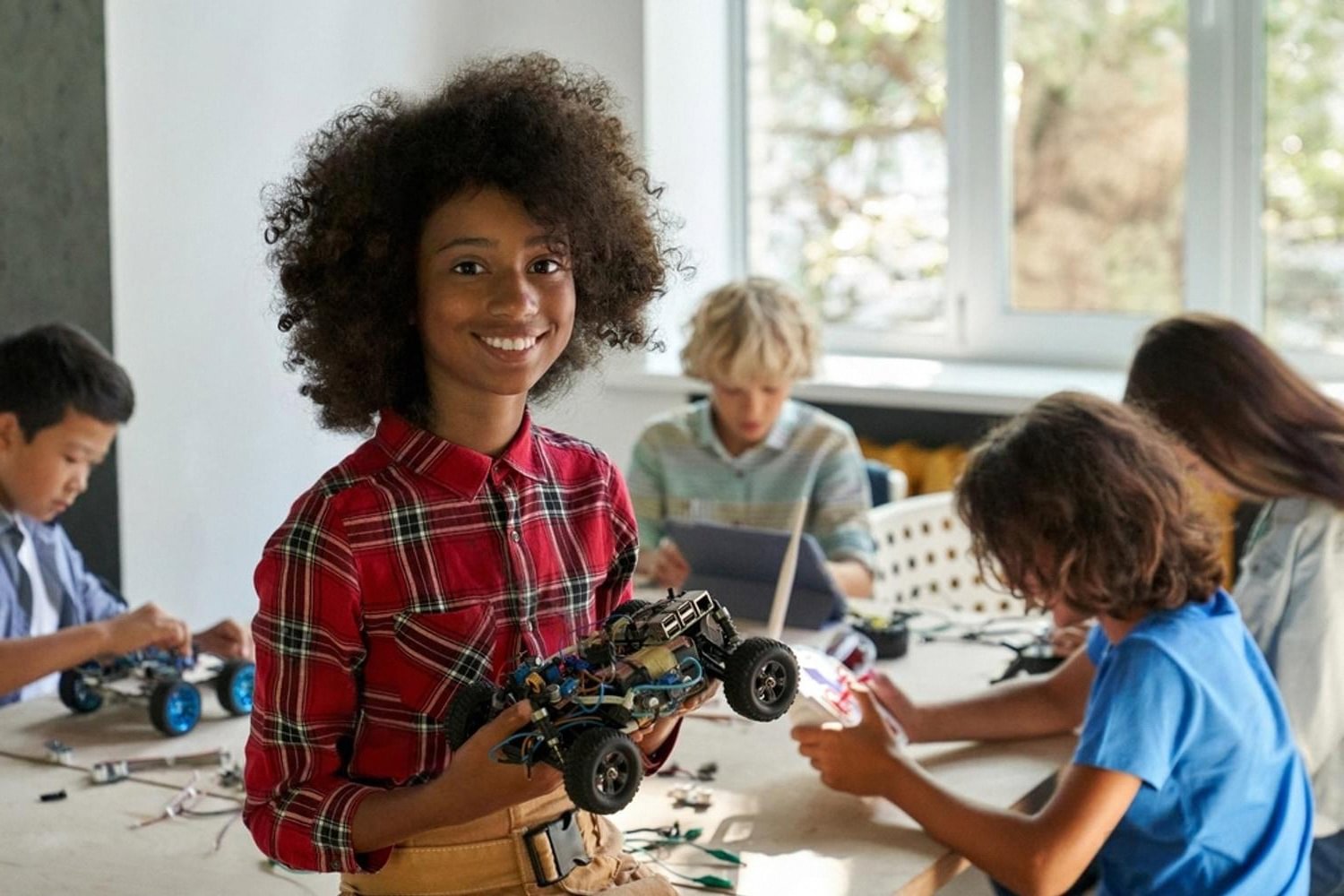
- Creative construction kitsincluding gears, tracks and open-ended STEM toys UAE families use for hands-on problem solving.
- Loose parts: fabric scraps, cardboard tubes, pebbles, jar lids, ribbons.
Screens versus open-ended play, side by side
Passive screen time
- Pre-set outcomes, limited decisions
- Fast dopamine loops that make slower play feel boring
- Linked with shorter attention spans in young children
- Reduced parent-child conversation during use
- Physical stillness, less gross-motor movement
Open-ended play
- Child sets the goal and the rules
- Builds patience and delayed gratification
- Encourages full sentences and back-and-forth talk
- Strengthens fine motor skills and hand strength
- Same toy stays interesting for months, sometimes years
The research
What the screen-time data really says
The World Health Organization is direct: no screen time for children under two, and no more than one hour of quality media per day for ages two to five. The American Academy of Pediatrics gives similar guidance and adds that co-viewing with a parent is far better than solo scrolling.
Studies have connected heavy early screen exposure with delays in expressive language, weaker executive function, and disrupted sleep. None of this means screens are villains. It means the default should be play, and screens should be the exception.
The flip side is just as clear. Physical, self-directed play supports memory, emotional regulation and stamina, three things every UAE school teacher will tell you they wish more children arrived with.
The six skills open-ended play quietly builds
Imagination
A wooden block becomes a phone, a car, a mountain. That flexibility is the seed of creative thinking later in life.
Critical thinking
Why did the tower fall? What if the base is wider? Kids test hypotheses without ever calling them that.
Language development
Narrating pretend play grows vocabulary faster than most educational apps, especially in bilingual households.
Collaboration
Siblings and friends negotiate roles and rules. This is where sharing gets learned, not lectured.
Problem-solving
Small frustrations, small victories. Every collapsed bridge is a real engineering lesson.
Confidence
When a child decides what to build and finishes it, the pride is theirs. That belongs only to open-ended play.
At home
How to encourage independent play
- Rotate toys. Keep a third of the toys out and pack the rest away. Swap every two weeks. Children get bored with toys mostly because too many are visible at once.
- Create clear play zones. A small rug, a low shelf, a labelled basket. In UAE apartments where space is tight, even a corner of the living room works if it is consistent.
- Practise minimal intervention. Resist the urge to fix the wobbly tower. Sit nearby, sip your karak, and let them wrestle with it.
- Ask open-ended questions. “What happens if you move that piece?” beats “Good job!” every time. It keeps the thinking with the child.
- Protect boredom. The five minutes of complaining before real play begins is normal. Do not rescue them with a screen.
The 7-day screen-free play challenge
A full detox is not the goal. This week is about resetting expectations, for you and for the child. One focused activity a day, roughly 30 to 45 minutes, no tablet in the room.
- Day 1, Block day. Empty out every building toy you own. Sit on the floor. Build side by side, no instructions.
- Day 2, Cardboard day. One big box, some markers, a roll of masking tape. See what it becomes.
- Day 3, Outdoor day. Head to a park or the beach before sunset. Bring a bucket, nothing else.
- Day 4, Pretend day. Set out costumes or scarves. Let the child cast you in whatever role they invent.
- Day 5, Art day. Paper, glue, scraps from the recycling bin. No template, no example to copy.
- Day 6, Build-a-world day. Combine blocks, magnetic tiles and small figures. Give them 45 uninterrupted minutes.
- Day 7, Reflection day. Ask what they liked most this week. Choose one habit to keep going.
The unique angle
Play is the original learning app
In a country moving as fast as the UAE, it is tempting to treat every hour as an opportunity to optimise: another class, another course, another educational video. But the childhood skills that matter most in a fast-changing economy, curiosity, resilience, the ability to work with other humans, are grown quietly, by a child left alone with a pile of blocks and permission to figure it out.
You do not need more tools. You need fewer, better ones, and the patience to let your child use them their own way.
Frequently asked questions
How do I reduce my child’s screen time without a meltdown?
Do it gradually. Cut 15 minutes a day for a week, then another 15 the following week. Replace the removed time with a specific alternative you have already set up, blocks on the rug, a bin of art supplies, a walk downstairs. Meltdowns usually happen when the screen is removed with nothing waiting to fill the gap.
Consistency matters more than perfection. Aim for the same daily rhythm, and involve the child in choosing what non-screen activity comes next.
What toys encourage independent play the most?
Toys that do very little on their own tend to do the most for a child. Wooden blocks, magnetic tiles, loose parts, simple figurines, art supplies and construction kits all invite hundreds of different games from the same box.
Avoid toys that light up, talk and reward passivity. If the toy is doing the entertaining, the child is not.
What is open-ended play in simple terms?
It is play with no fixed goal, no winner and no instruction manual. The child decides what the object is, what it does and when the game ends. A stick can be a sword, a fishing rod or a magic wand within the same afternoon.
Why do children get bored with their toys so quickly?
Usually because there are simply too many toys visible at once, which paralyses choice, or because the toys themselves have only one way to be used. Try a rotation system: pack most toys away and cycle a small selection every one to two weeks. Toys that felt old will feel new again.
Is educational screen time really that bad?
Not inherently. High-quality content watched together with a parent, who pauses, asks questions and connects it to real life, can be genuinely useful. The problem is solo, passive viewing that replaces conversation, movement and hands-on play. Keep it short, keep it shared, and keep it the exception rather than the default.
How much daily play does a young child actually need?
Guidelines from major paediatric bodies suggest at least three hours of physical activity spread across the day for children aged one to five, most of it through play. For older kids, an hour or more of active, self-directed play remains important alongside school and homework.
My child only wants to play if I join in. Is that a problem?
Not at first. Younger children build the confidence to play alone by first playing next to a trusted adult. Start by sitting near them without directing the play. Slowly reduce your involvement, for example by picking up a book while staying in the same room. Independent play is a skill that grows with practice.